Earth Hour turns 20: WWF invites Canadians to mark the milestone by switching off and speaking up

Earth Hour was born in the era of side parts and skinny jeans, but protecting the planet is still in style
TORONTO, March 26, 2026 /CNW/ - This Saturday, March 28 millions of people around the world will mark Earth Hour's 20th birthday by turning off the lights for 60 minutes, sending a powerful message that is even more important today than it was two decades ago: Nature can't wait.



WWF-Canada invites everyone across the country to join the celebration at 8:30 p.m. local time by switching off and doing something positive for the planet, whether speaking up for nature, creating wildlife habitat, raising funds, inspiring others or turning on our interview with Earth Hour co-founder Andy Ridley. This first episode of WWF-Canada's new video podcast Good Nature with Megan Leslie, released today, shows how a single symbolic hour can inspire lifetimes of action for the planet.
For more ideas, visit wwf.ca/earth-hour.
History of Earth Hour
Earth Hour began in Sydney, Australia in 2007 when a couple million people turned out lights across the city to signal their support for climate action. This symbolic action lit up a global movement. Toronto became the first city to announce it was joining Earth Hour 2008, and by 2009, Earth Hour had become the world's largest grassroots movement for the environment -- a title it holds to this day.
For two decades, this WWF-initiated event has been advancing positive change for nature and climate around the world, from protecting forests in Uganda and preserving marine ecosystems in the South Pacific, to driving stronger climate change legislation in Scotland.
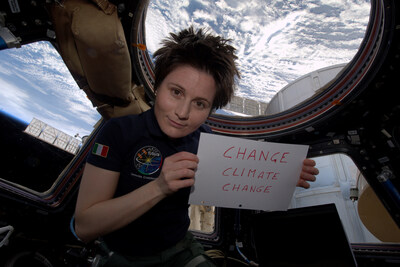
It's also drawn attention to climate issues in unforgettable ways, with Spider-Man, played by Andrew Garfield, joining as the first superhero global ambassador in 2014 and Italian astronaut Samantha Cristoforetti participating from the International Space Station in 2015 with a sign reading "Change Climate Change." Here in Canada, celebrities like Nelly Furtado, Jason Priestley, Chris Hadfield, Roberta Bondar, Chantal Kreviazuk and Jill Barber have all helped to shine a spotlight on the event.
Landmarks that have switched off over the years include: Sydney Opera House, CN Tower, Eiffel Tower, Great Pyramid of Giza, The Acropolis, Niagara Falls, Tokyo Tower and Great Wall of China.
In 2025, Earth Hour broke records with participants in 118 countries collectively contributing more than three million hours of action for nature.
Nature still needs Earth Hour
Nature in Canada needs our support now more than ever. Communities are facing increasing climate change impacts, like floods and fires, and WWF's Living Planet Report Canada 2025 reveals persistent declines in wildlife populations across the country over the last 50 years.
At the same time, Canada is not on track to meet its domestic and international commitments to protect and restore nature, and federal funding that had been key to supporting those efforts is about to dry up at the end of March.
Nature is central to our national identity, provides the food we eat, cleans the air we breathe and the water we drink, sustains wildlife and our economy, and helps make communities more resilient to climate change. Earth Hour is a moment not only to celebrate all that nature does for us, but also to show decision-makers how much we care -- symbolically by turning out the light and with an email telling them to keep nature on the national agenda.
"In 2026, nature is still up against some big challenges. Reducing climate change, recovering endangered species and restoring the nature we've lost won't be as easy as flipping a switch -- but it can be done," Megan Leslie, President and CEO of WWF-Canada, said. "Over the past two decades, Earth Hour has shown what's possible when we work together towards a common goal. Spending just one hour doing something positive for our planet can be the antidote to anxiety and apathy, and it might even set off a ripple that turns into a wave of change."
About WWF-Canada
WWF-Canada is committed to equitable and effective conservation actions that restore nature, reverse wildlife loss and fight climate change. We draw on scientific analysis and Indigenous guidance to ensure all our efforts connect to a single goal: a future where wildlife, nature and people thrive. For more information visit wwf.ca.
SOURCE World Wildlife Fund Canada

For more information, contact: [email protected]
Share this article