Public Advisory - Unauthorized drugs seized from Rabais 4Saisons Inc. in Montreal, QC, may pose serious health risks
Français
OTTAWA, ON, Aug. 18, 2026 /CNW/ --
Summary
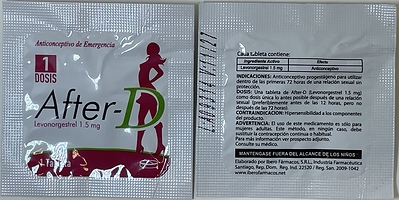
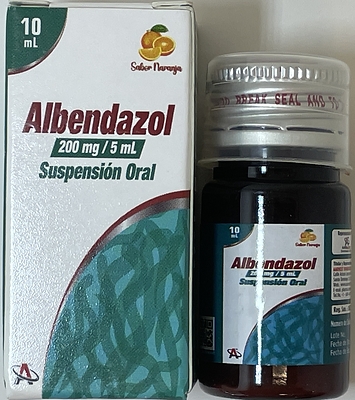
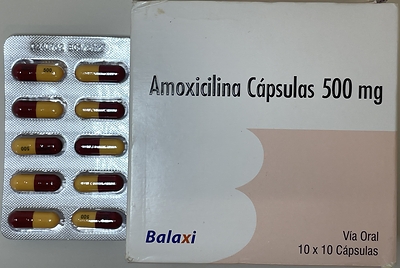
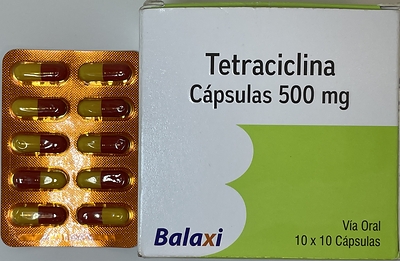

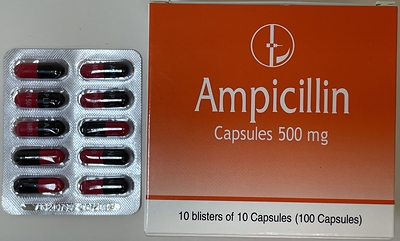
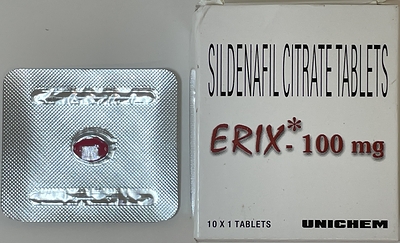
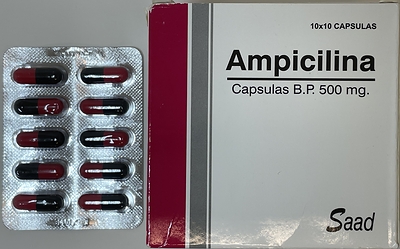
- Product: Various unauthorized health products, including prescription drugs
- Issue: Health products – unauthorized products
- What to do: Do not buy or use unauthorized health products. Consult a licensed healthcare professional (physician, nurse practitioner, pharmacist) if you have used these products and have health concerns.
Photos
Affected products
Product |
Prescription drug |
After-D |
Labelled to contain levonorgestrel |
Albendazol |
Labelled to contain albendazole |
Balaxi – Amoxicilina |
Labelled to contain amoxicillin |
Balaxi – Tetraciclina |
Labelled to contain tetracycline |
Black Horse Vital Honey |
Product with similar packaging (previously seized) was tested and found to contain sildenafil |
Caplin Point |
Labelled to contain ampicillin |
Erix |
Labelled to contain sildenafil |
Saad – Ampicilina |
Labelled to contain ampicillin |
Issue
Health Canada has seized several unauthorized drugs (including an oral emergency contraceptive drug, erectile dysfunction drugs, and antibiotic and antiparasitic drugs) from Rabais 4Saisons Inc. (5321 rue de Charleroi), in Montreal, Quebec, because they may pose serious health risks.
Selling unauthorized health products in Canada is illegal. Unauthorized health products have not been approved by Health Canada, which means they have not been assessed for safety, effectiveness and quality and may pose serious health risks. For example, they may lack active ingredients, vary in their concentration or contain ingredients, additives or contaminated ingredients not listed on the label that could interact with other medications and foods.
Many of the seized products are unauthorized versions of prescription drugs available in Canada. Prescription drugs should be used only under the supervision of a health care professional because they are used to treat specific conditions and may cause serious side effects. Several of the products are not labelled in English and French as required in Canada. As a result, information about ingredients, usage, dosage and side effects may not be available to or understood by consumers.
Health Canada acts to protect public health and safety when companies are found to be selling unauthorized health products in Canada, including warning consumers when warranted. The Department also works with the Canada Border Services Agency to help prevent the import of any unauthorized health products.
What you should do
- Do not buy or use unauthorized health products.
- Consult with a licensed healthcare professional (physician, nurse practitioner, pharmacist) if you have used these products and have health concerns.
- Check if your health products are authorized. Authorized health products have an eight-digit Drug Identification Number (DIN), Natural Product Number (NPN) or Homeopathic Drug Number (DIN-HM). You can also check whether products are authorized for sale by searching Health Canada's Drug Product Database or Licensed Natural Health Products Database.
- Report any health product-related side effects or complaints to Health Canada.
Background
Albendazole is not currently approved for human use in Canada, but is authorized as a prescription drug in other countries. It is used to treat severe tapeworm infections in the brain, liver, or lungs and carries several serious health risks that require strict medical monitoring. It can cause dangerous drops in blood cells (bone marrow suppression) and liver damage, both of which can be fatal if untreated. It can also cause severe harm to a fetus, so it should not be used during pregnancy. Additionally, its antiparasitic action in the brain can trigger sudden neurological issues like seizures, severe headaches, or vision problems, requiring a pre-treatment eye exam and potentially other treatments to manage brain swelling. Allergic symptoms may include severe painful skin rashes that blister or peel. Common, less severe side effects include headaches, nausea, dizziness, stomach pain, and temporary hair loss.
Amoxicillin and ampicillin are prescription antibiotic drugs used to treat certain bacterial infections. They should be used only under the supervision of a health care professional. Ampicillin and amoxicillin may cause severe life-threatening allergic reactions. In rare cases, these allergic reactions can cause severe chest pain or even trigger a heart attack. Allergic symptoms may also include swollen lips, face, throat, difficulty breathing, severe painful skin rashes that blister or peel, itchiness, nausea, vomiting, diarrhea, and signs of kidney and liver failure. They should not be used by patients with known allergies to these drugs. Patients with allergies to other antibiotic types may also experience allergic reactions to ampicillin and amoxicillin. These drugs can also interact with other prescription medications, such as certain blood thinners, cancer therapies, or birth control pills. Misuse or overuse could lead to growth of bacteria that will not be killed by ampicillin and amoxicillin and means that they may not work in the future when required (this is known as antibiotic resistance).
Levonorgestrel is a non-prescription drug used as an emergency contraceptive to prevent pregnancy within 72 hours of known or suspected contraceptive failure or unprotected sex, when sold as a single ingredient oral dose containing no more than 1.5 milligrams. Unauthorized emergency contraceptives labelled to contain levonorgestrel may not be effective and may not prevent pregnancy as expected. The drug should not be taken by those allergic to levonorgestrel, or by those who are, or who suspect they are pregnant. For patients with undiagnosed abnormal vaginal bleeding, a pregnancy test should be performed before taking levonorgestrel. Levonorgestrel as an emergency contraceptive prevents pregnancy; it does not induce abortion and should not be taken by pregnant women as it will not be effective. Levonorgestrel is intended for emergency use and should not be used as a regular method of birth control, and if used more than once, the overall chance of pregnancy may increase. There are authorized levonorgestrel emergency contraceptive products available in Canada.
Sildenafil is a prescription drug used to treat erectile dysfunction and should be used only under the supervision of a health care professional. It should not be used by people who are allergic to sildenafil. It should also not be used by individuals taking any kind of nitrate drug (e.g. nitroglycerine) as it can cause potentially life-threatening low blood pressure. Individuals with heart problems are at increased risk of cardiovascular side effects such as heart attack, stroke, chest pain, high blood pressure and abnormal heartbeat. Other possible side effects include headache, facial flushing, indigestion, dizziness, abnormal vision, and hearing loss. Additionally, individuals who are over 65 years of age, or with liver impairment or severe kidney impairment, or who are also taking certain medications (e.g. erythromycin, saquinavir, ritonavir), are at an increased risk of side effects.
Tetracycline is a prescription antibiotic drug used to treat certain bacterial infections. It should be used only under the supervision of a health care professional. It should not be used by people who are allergic to tetracycline or similar drugs, or who have severe kidney or liver disease. An allergic reaction can be life-threatening, causing sudden swelling of the face, lips, tongue, or throat, and severe breathing failure. It should not be used during pregnancy, as it could cause teeth and bone changes in the fetus and serious liver damage in the mother. Tetracycline can reduce the effect of birth control pills. It should not be used by patients who are breastfeeding as tetracycline passes into breast milk and can cause tooth discolouration in the baby. Tetracycline should not be used in children under 12 years of age, as it can affect bone and cause permanent tooth discolouration. Exposure to sunlight or ultraviolet light (e.g., sunlamps) should be avoided when taking tetracycline as the drug can increase skin sensitivity and cause severe sunburn. Because tetracycline alters natural stomach bacteria, it can cause a severe, life-threatening bowel infection resulting in violent diarrhea. Ingesting expired or deteriorated tetracycline pills can cause severe, irreversible kidney damage that can result in death. Tetracycline might interact with other medications and cause serious adverse reactions. Misuse or overuse could lead to growth of bacteria that will not be killed by tetracycline and means that it may not work in the future when required (this is known as antibiotic resistance).
Également disponible en français
SOURCE Health Canada (HC)

Media Enquiries: Health Canada, (613) 957-2983, [email protected]; Public Enquiries: (613) 957-2991, 1-866 225-0709, [email protected]
Share this article