On your marks, get set, grow! Students of all ages are getting ready to restore wildlife habitats with WWF-Canada grants

This year's Go Wild Grants, in partnership with the Barrett Family Foundation, will support projects at schools across the country from preschool to post-secondary
TORONTO, Feb. 5, 2026 /CNW/ - WWF-Canada is empowering the next generation of leaders by awarding 62 Go Wild Grants to projects across the country at schools from preschool to post-secondary. Valued between $1,500 and $2,000, these grants will support on-the-ground student activities to protect or restore nature in schoolyards, campuses and communities.
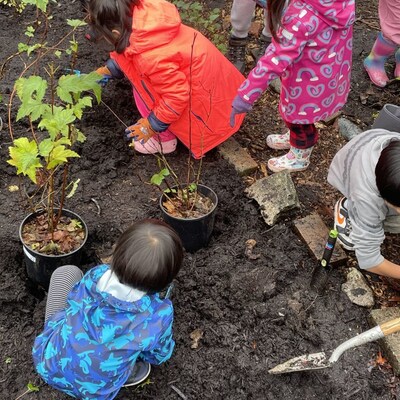
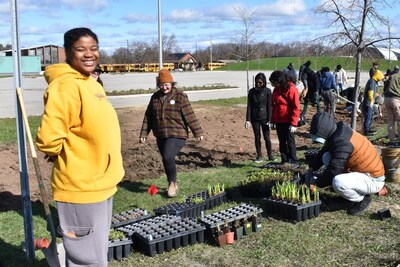
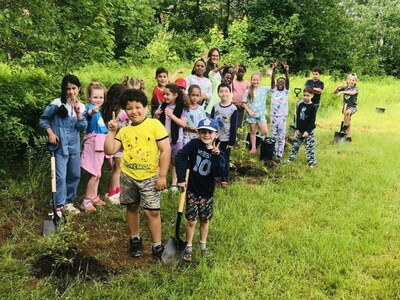
Since 2015, WWF-Canada has funded 651 Go Wild school and campus projects, awarding a total of $623,460. This year's projects include restoring wetland, forest and prairie habitats, as well as a new pilot project that will support 23 schools in growing, harvesting and sharing native plant seeds, multiplying their impact by helping others create more habitat in their communities.
Go Wild Grants support young people in learning about their local ecosystems and deepening their connection to nature while developing hands-on skills like researching, planning, budgeting, leadership and teamwork that empower them to be champions for nature in their lives and careers. Many schools steward the outdoor spaces created through these projects for years, delivering lasting benefits for wildlife as well as students and educators who use them as outdoor classrooms.
This granting initiative is part of WWF-Canada's 10-year plan to Regenerate Canada, which includes creating the conditions to restore at least one million hectares of nature by 2030. Go Wild applications are accepted every fall, with projects taking place throughout the following year.
Elizabeth Hendriks, vice-president of Restoration and Regeneration at WWF-Canada, says:
"It's inspiring to see young people, from preschoolers to post-secondary students, stepping up to take care of the nature around them. This year's Go Wild Grants are helping nurture that connection by supporting projects that speak to some of Canada's greatest restoration opportunities, from increasing the native plant seed supply, to making communities more resilient to climate change impacts like heatwaves and flooding, to injecting more wildlife habitat into our towns and cities. We can't wait to see this year's projects brought to life."
Some of the 2026 Go Wild Grant projects include:
Simon Fraser University, Burnaby, B.C.: The Department of Archaeology will add more species to its native plant garden to support pollinators, enhance biodiversity, and strengthen cultural and food connections, as well as updating signage and hosting workshops and tours.
Southern Alberta Institute of Technology, Calgary, Alb.: The grant will be used to purchase native trees and shrubs to create a healing forest that provides wildlife habitat as well as a space for Indigenous ceremonies and land-based learning.
Kenollie Public School, Mississauga, Ont.: Students will plant native trees and flowers to create a "Living Tree Library" where students can learn about species through accessible labels and audio recordings that are inclusive for students with visual impairments and engaging for all learners.
École Laura Secord School, Winnipeg, Man.: Students will engage in hands-on restoration of the tallgrass prairie ecosystem by sourcing and planting native species from local specialty nurseries, amending soil as needed, and maintaining the garden as a living classroom used year-round.
Go Wild Grants in partnership with The Barrett Family Foundation are part of WWF-Canada's Living Planet @ School and Living Planet @ Campus programs. For a complete list of Go Wild Grant projects, visit wwf.ca/schoolgrants.
About WWF-Canada
WWF-Canada is committed to equitable and effective conservation actions that restore nature, reverse wildlife loss and fight climate change. We draw on scientific analysis and Indigenous guidance to ensure all our efforts connect to a single goal: a future where wildlife, nature and people thrive. For more information visit wwf.ca.
SOURCE World Wildlife Fund Canada

For more information, contact [email protected].
Share this article