Why FAQs are Built for AI
Driving brand visibility and AI-era communications strategy (GEO | AEO | Multichannel Storytelling) at the world’s most trusted newswire.
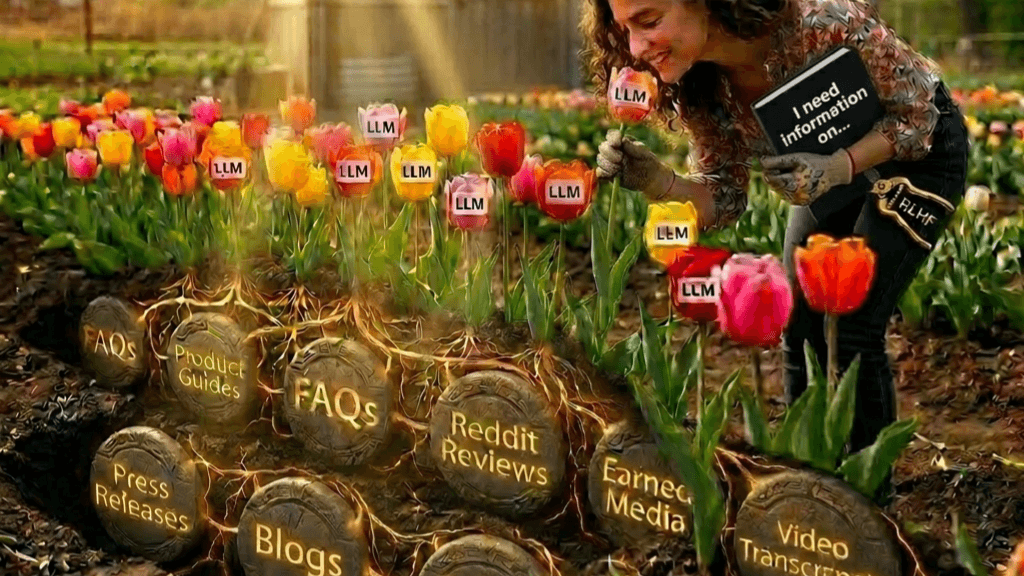
We’ve entered the era of the "Zero-Click" search. When someone asks Gemini or ChatGPT a question, they aren't looking for a list of links - they want a direct answer.
If you aren't pre-packaging those answers, you’re invisible. Here is why the humblest format on your site is suddenly your most powerful asset. FAQs are no longer just about helping users scan a page. They’re becoming one of the most effective ways to show up in AI-generated answers.
So, in the spirit of the format itself… here’s an FAQ on FAQs.
Question: Why are FAQs suddenly so important?
Answer: Because LLMs love structure. When someone prompts ChatGPT or searches via Google Gemini, these systems are constantly parsing content to generate answers.
FAQs map almost perfectly to how they “think”: question → answer → context
FAQs aren’t filler anymore - they’re frontline discoverability.
Question: What makes FAQs work so well for AI?
Answer: Three things:
- Clear structure (easy to parse)
- Natural language (easy to match to prompts)
- Direct answers (easy to use or cite)
When you combine all three, you increase the odds your content gets pulled into AI-generated responses - whether explicitly cited or simply shaping the answer. In AI search, the best answer wins. FAQs are how you pre-package it.
Question: Should FAQs sound like marketing copy?
Answer: No - and this is where many brands miss. The best FAQs sound like real questions someone would type into an AI tool. Avoid the internal shorthand and make sure your questions capture the intent of external curiosity.
Question: Do FAQs still matter if they aren’t cited in AI answers?
Answer: Yes - and this is where most people underestimate their impact. AI systems don’t just pull from one source. They synthesize patterns across many.
That means your FAQs can influence how an answer is formed - even if your brand isn’t explicitly mentioned.
In other words: You’re not just writing to be cited. You’re writing to shape the narrative.
Question: Where should FAQs live in content?
Answer: Not buried. Not hidden. Brands like The Hershey Company are placing FAQs higher in press releases - above the boilerplate - treating them as core content, not an afterthought (buried, or a link out). This prioritizes clarity for humans and structure for machines.
Question: Should FAQs always be about your brand or product?
Answer: Actually, no. Some of the most effective examples take a broader, industry-first approach. Synchrony does this well - leading with high-value questions that teach the topic, not just promote the offering.
This helps position the brand inside the larger narrative AI systems are building.
Question: Is it okay to link out to an FAQ instead of embedding one?
Answer: Yes - with a caveat. If you already have a strong FAQ page, linking to it can reinforce its importance. But make sure it’s:
- Directly relevant
- Easy to crawl (HTML, not a PDF)
- Actually helpful (not just promotional)
Think of it as reinforcing a signal AI may have already seen.
Question: Are FAQs only for thought leadership?
Answer: Not at all. For product-focused content, FAQs can be one of the most effective ways to deliver quick, digestible context - for both humans and machines. Medtronic uses this approach well, balancing clarity with specificity.
Question: What’s the biggest mistake brands make with FAQs?
Answer: Treating them like an SEO checkbox. Stuffed keywords. Repetitive product mentions. Generic questions. If your FAQ doesn’t sound like something a real person would ask an AI system, it’s unlikely to perform well there.
Question: Does this hurt my website traffic, including content like FAQs in PRs, other external posts?"
Answer: Yes, it might reduce "casual" clicks, but it increases "high-intent" authority. If an AI cites you as the source for a complex answer, the person who does click is much further down the funnel.
Question: How long should the answers be?
Answer: Aim for the 60-word sweet spot. It's long enough to be useful but short enough for an AI to quote in its entirety.
Question: Is this just for SEO people?
Answer: No. This is for PR, Product and Thought Leadership. If your PR doesn't have an FAQ (or AEO-crafted approach), you're potentially making the AI work to understand your news. Don't make it work.
Final thought
If your content isn’t clearly answering real questions, AI will find someone else’s that does. The brands that win in AI search won’t just publish content - they’ll pre-answer the internet’s questions.