How to Use Social Media for Sharing Your News
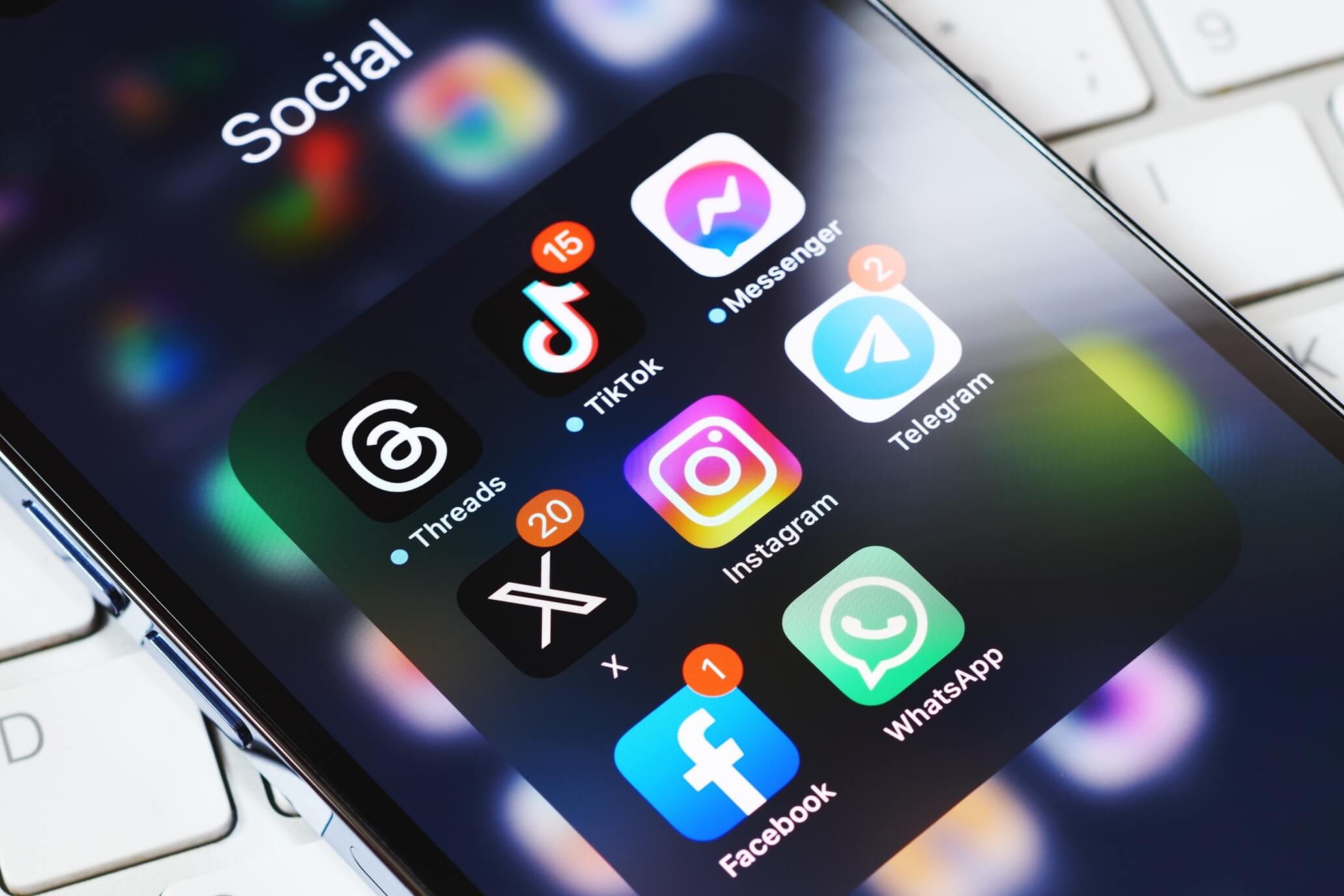
Social media is one of the most powerful tools for distributing press releases and company updates. For PR professionals and marketers, it offers direct access to stakeholders, faster engagement and a chance to shape the conversation around a story.
Traditional distribution still matters, but pairing it with a strong social media strategy multiplies visibility and credibility. Each platform plays a role in extending your message and driving real-time interactions. This guide explains how to use social media effectively for sharing your news, from platform selection to best practices and performance measurement.
Why Social Media Matters for News Sharing
Social media has turned every brand and consumer into a publisher. For PR teams, that means greater control over message delivery and immediate audience access.
Immediate reach and direct audience connection
When a press release is shared through social platforms, it bypasses traditional publishing delays. Followers, journalists and stakeholders can engage instantly. Social media makes it easier for consumers to post about and expand the reach of your brand’s news. Comments and shares on social media create two-way dialogue and help stories spread faster.
Expanded distribution beyond traditional media
A well-placed post can reach audiences far beyond standard newsroom distribution. Social platforms make it possible to target specific demographics, industries and regions while keeping control over tone and timing.
Engagement through conversation and multimedia
Press releases are often text-heavy, but social platforms thrive on visuals. Pairing your announcement with photos, infographics or short videos makes it easier for audiences to absorb information and share it with others.
Social media also humanizes company news. By responding to comments or answering questions, you turn a static release into an ongoing conversation.
Choosing the Right Platforms
Each platform serves a distinct purpose. Understanding these differences helps you tailor your PR social media strategy to reach the right audiences and meet specific campaign goals.
1. LinkedIn for B2B announcements
LinkedIn is ideal for professional updates, corporate milestones and thought leadership. Audiences on this platform expect credible, insightful content. Use LinkedIn for investor updates, executive commentary and industry-specific news. Tag relevant company pages and employees to expand visibility.
2. Twitter/X for real-time updates and journalist engagement
Twitter/X remains one of the most active spaces for news discovery. Journalists, editors and influencers often use it to track breaking stories. Share concise updates with key hashtags, mention relevant reporters when appropriate and link directly to your press release. Posting during business hours or when your audience is most active increases the chance of engagement.
3. Facebook and Instagram for broader audience reach
These platforms work best for consumer-facing announcements and brand storytelling. Visual content performs especially well, so include strong images or short videos. Use captions that summarize key takeaways from your release and link to the full story. Boost important posts through paid promotion to reach targeted audiences.
4. TikTok and YouTube for video-driven campaigns
Video-first platforms allow you to show, not just tell. Use short clips to preview major announcements, highlight product launches or share behind-the-scenes insights. Even brief, authentic videos can dramatically improve engagement and recall. Link viewers back to your main press release or newsroom for additional context.
By choosing the right mix of platforms, your news can reach audiences across multiple touchpoints and strengthen your brand’s visibility.
Best Practices for Sharing News on Social Media
An effective PR social strategy goes beyond posting links. The most successful brands adapt their approach for each platform while keeping messages consistent.
1. Adapt headlines for platform formats
Long or formal press release titles may not perform well on social media. Write shorter, more conversational headlines that clearly convey the story’s main point. Include a call to action when appropriate, such as “Read the full release” or “Learn more in our newsroom.”
2. Use visuals strategically
Images, infographics and videos attract attention and help explain complex topics. Always use high-quality visuals that align with your brand. Captions and alt text should describe what the image shows to ensure accessibility.
3. Incorporate hashtags and tagging
Relevant hashtags help new audiences discover your content. Research trending or industry-specific tags before posting. Tagging journalists, influencers or partner organizations increases the chance of earned amplification.
4. Pin key announcements
Pin important posts at the top of your feed to keep them visible longer. This tactic works especially well for quarterly updates, product launches or awards.
5. Leverage paid amplification
For high-priority announcements, consider paid promotion. Sponsored posts ensure that key stakeholders see your message even if organic reach is limited. Target by job title, location or interest to maximize relevance.
Measuring Engagement and Reach
A strong PR social media strategy depends on clear measurement. Data shows what resonates with your audience and guides future campaigns.
1. Platform analytics
Each platform provides native analytics for metrics such as impressions, clicks, shares and comments. Track which types of posts drive the most engagement and identify the platforms that deliver the best reach for your announcements.
2. Referral traffic
Use analytics tools like Google Analytics or built-in tracking parameters to see how many users visit your press release or newsroom from social channels. A spike in referral traffic often indicates that your news gained traction with a broader audience.
3. Earned mentions and influencer engagement
Monitor who is talking about your announcement. When media outlets, influencers or analysts share or reference your content, it expands credibility and reach. Tracking earned mentions helps demonstrate the full impact of social amplification.
Together, these insights provide a complete view of performance across channels and help prove the value of your PR social efforts.
Common Mistakes to Avoid
Social media offers endless opportunities, but missteps can undermine results. Avoid these pitfalls to keep your strategy effective and authentic.
- Copying press release text directly into posts: Each platform has its own format. Rewrite your message in language suited for social audiences.
- Over-promoting without adding value: Followers expect information, not constant sales pitches. Balance announcements with educational or engaging content.
- Ignoring platform-specific guidelines: Posting frequency, tone and media formats vary across networks. Respecting these differences improves engagement and prevents audience fatigue.
A thoughtful, audience-first approach helps your posts stand out and builds stronger relationships with followers.
From Awareness to Engagement: Building a Stronger PR Presence
Social media is more than a distribution tool. It’s a platform for dialogue, storytelling and community building. Consistent testing, measurement and optimization can turn every announcement into an opportunity for lasting engagement.
When you adapt your press releases for each platform, use strong visuals and track results, you elevate your reach and credibility. PR Newswire’s Multichannel News Release and SocialBoost can help expand visibility across networks and amplify your message with precision.
Explore PR Newswire’s Multichannel AmplificationTM solutions to make your next announcement go further.