Why Many SEO Rules Don’t Apply to AEO and GEO
For as long as users have had the ability to search on the internet, brands have been looking for ways to be found on the internet. From early search engines like AltaVista, Lycos or Yahoo to the juggernaut that is Google, the concept of Search Engine Optimization (SEO) has been a topic of discussion since 1997.
Since its inception, SEO tactics have evolved drastically with the ever-changing way users utilize the internet. Gone are the days of keyword stuffing, thin content for content’s sake and spamming blogs and forums to rank on Google.
In its place, dozens of SEO tactics, with varying degrees of success, have emerged. Considering SEO when writing press releases, establishing E-E-A-T (Expertise, Experience, Authoritativeness, Trustworthiness) or creating content that generates earned media have long been just a few of the best ways to make the all-important “page one” on Google’s Search Engine Results Page (SERP).
Enter, AI.
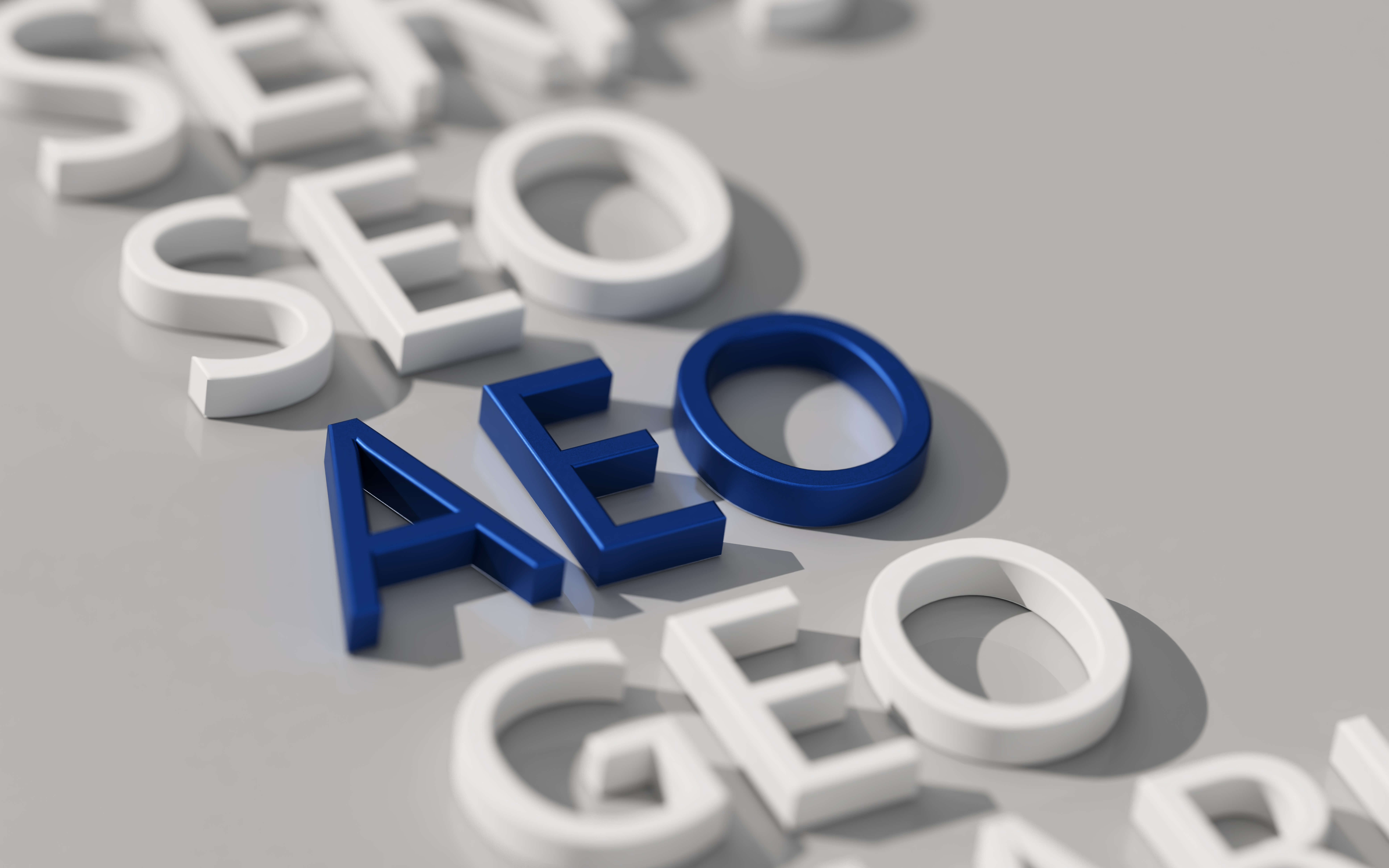
Now, SEO and communication specialists everywhere have to change their lexicon. AEO (Answer Engine Optimization) and GEO (Generative Engine Optimization) are now just as important as, if not more than, SEO in getting your messaging out to the masses. (If you’re confused by the difference, don’t worry; we’ve put together a handy guide for you.)
And it should come as no surprise that this new playbook comes with new rules, and that many tried-and-true SEO methods don’t quite cut it in an AI world.
Keywords and Rankings Are (Mostly) Out, and Citations Are In
The primary goal of an SEO campaign is simple. You want to rank for keywords and topics that are important to your business, organization or brand, be it through messaging or through conversions. AEO and GEO also have simple goals– to be recognized by Large Language Models (LLMs).
Now keep in mind– SEO and GEO are not just “SEO with different keywords.” When creating content with an SEO focus, the goal is to be found, whereas the focus of AEO and GEO is to be chosen.
Instead of focusing on rankings and keywords, AEO and GEO focus on citations. When you create content for SEO, your goal is for search engines to choose your content as the best fit for a general topic. Content for AEO and GEO, on the other hand, is focused more on the answer– specifically, an answer that is clear, concise, easy to recognize, and in line with prompts users are inputting into their AI engine of choice.
Granted, citations aren’t a replacement for rankings, which still have value. But the rules communicators have been following for rankings don’t translate to value with AEO and GEO. A low-ranking page can still be “chosen” by LLMs if it provides a better answer, making it more valuable than even a page one result.
Content Structure is More Important Than Content Length
Any SEO specialist will tell you that a typical, well-written cornerstone piece of content should be at least 900 words, and the longer the better. This makes sense, so long as the content is well-written and not repetitive. The rule has long been: The longer the content, the more keywords will rank for more subtopics and topics.
While this approach to content creation works for search engine agents crawling through the totality of each page on a given site, AI systems want content structured to readily identify answers to questions users are asking. This requires cleanly structured, answer-driven content that gets to the point and provides answers. This approach has actually become so pervasive in AEO and GEO tactics that it is actually changing the way content is consumed.
Instead of focusing on content with thousands of words exhaustively covering every facet of a topic, AEO and GEO tactics succeed by structuring their content using approaches that include:
- Bullet points (see what we did here?)
- Frequently Asked Questions (FAQs)
- Numbered lists
- Top-of-article summaries
- Question-based headings (H2s, H3s)
- Answer-first content
- Comparison structure (A vs. B content)
- Tables
- Answer blocks for larger articles
- Visual emphasis on important content (bold, large font, etc.)
Large Content Libraries are Good, but Consistent, Distinct Content is Better
While SEO specialists insist on crafting long, comprehensive articles, they also swear by building large, comprehensive content libraries. While not exactly focusing on quantity over quality, for years SEO content strategies have relied on a simple formula of X articles over a repeatable Y period of time.
AEO and GEO tactics do not place nearly as much emphasis on content libraries that include dozens of articles around slight variations of the same topic. Instead, LLMs are more likely to cite unique content, with each article or post having a clear purpose or answering a distinct series of questions. Again, it is important to remember that AEO and GEO tactics are answer-driven, so it is better to write one article with a clear, distinct focus than many articles on the same topic.
That doesn’t mean you can’t write more than one article about a larger topic, just that each piece of content should answer a specific question or address a specific need. No matter what, you want to make sure your messaging is consistent throughout– that is key to making sure AI tells the right story about your brand.
Evergreen Content Needs to Stay Fresh
Even if you might not know the term “evergreen content,” you no doubt have encountered it. Evergreen content describes non-topical content that serves as a definitive touchpoint on a given topic– a sort of “post it and leave it alone” article that is unlikely to ever become outdated or need revision. Some examples of evergreen content include:
- How-to guides
- FAQs
- Industry glossaries
- Basic skill primers
- Comprehensive resource lists
- Case studies
- Success stories
A great piece of evergreen content can establish your brand as a thought leader and is a great tool for a communicator’s toolbelt. Unfortunately, for AEO and GEO, while evergreen content might be pulled in, they are more likely to be ignored in favor of more recent, relevant content.
While LLMs can cite older content, they tend to have a short memory span – a Seer Interactive study last year found that 94% of LLM citations were from content published within the previous five years, with nearly 65% from within the past year alone.
That doesn’t mean that your evergreen content has no value. It just means that you should make sure to regularly update your evergreen content (marking the page as updated or changing the publish date) to more easily catch the attention of LLMs. Think of it like watering your evergreen tree periodically to keep it fresh.
Your New Rules Can Help with SEO and AEO/GEO
The importance of AEO and GEO does not mean that “SEO is dead.” On the contrary, it just means you now have more ways to spread your message and achieve your goals through organic search. Many of the rules for proper SEO actually help AEO and GEO visibility, while the rules that don’t apply actually make for a better content experience for the user.
Creating content for LLMs is not much different than creating content for search engines, and by focusing on simple rules like concise content structure, answer-driven content, and constantly refreshing evergreen content, your messaging can reach greater audiences while also making content that is easy to read and drives a user-driven purpose.
Looking to boost your AEO and GEO game? Request a demo for PR Newswire Amplify™, our powerful press release campaign tool powered by AI that can help guide you in constructing your content for AI search visibility.