What is a Multichannel News Release and Why is it Important?
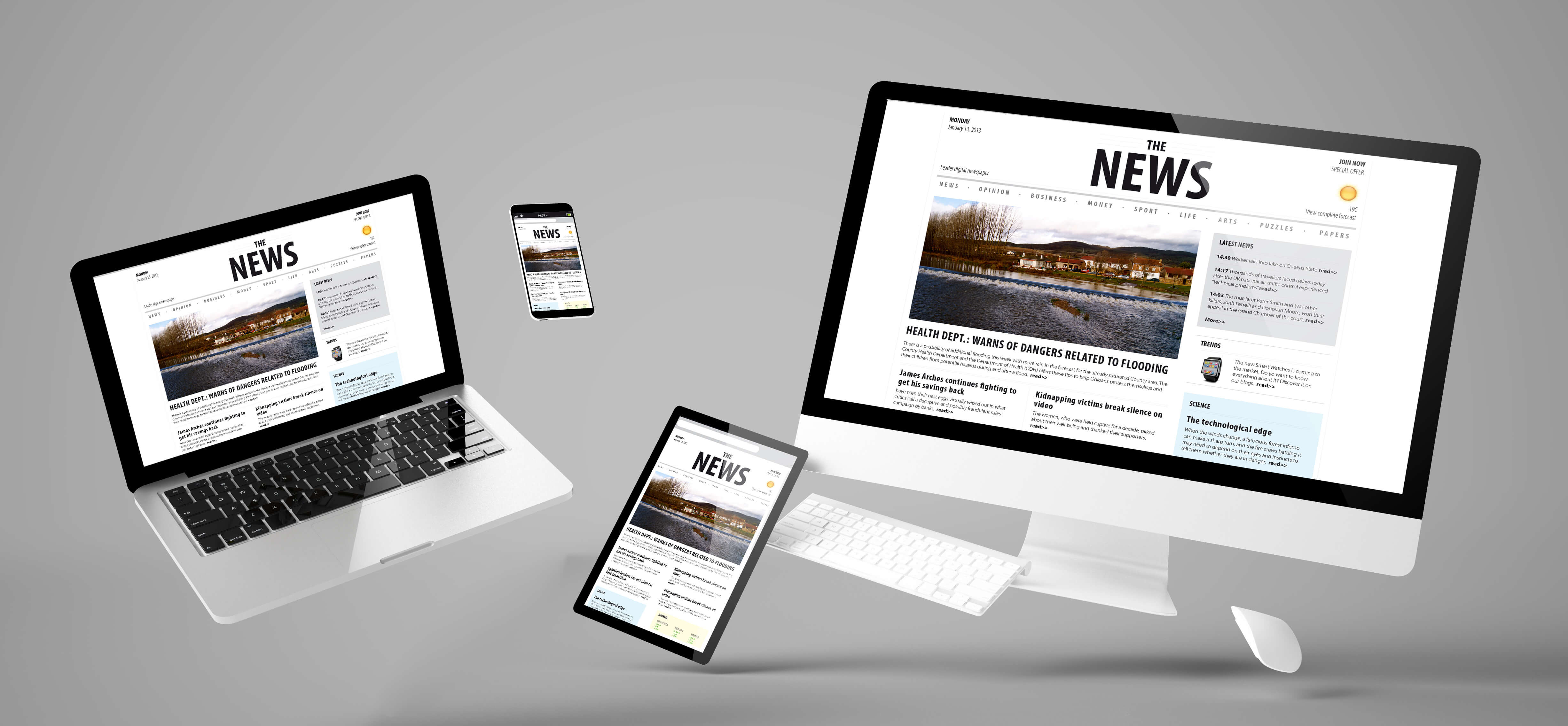
A Multichannel News Release (MNR) is an essential part of a modern marketer’s toolkit. MNRs consist of branded landing pages and content distribution solutions, which serve as the hub for multichannel marketing. MNRs include multimedia assets, branding and distribution.
Multichannel news releases serve to amplify visibility, ensure consistent messaging across platforms and drive engagement by reaching audiences far and wide. They combine earned, paid and shared media while increasing searchability, building trust with journalists and maximizing ROI through a robust analytics platform.
As journalists and audiences interact with news in more visual and interactive ways, knowing how to create, structure and measure press releases for multichannel visibility is becoming increasingly important.
What Elements Should a Multichannel News Release Have.
An MNR should include embedded video, audio and interactive features within the text body. The layout prioritizes a user experience where the reader can view a video, listen to an audio clip or scroll through an image carousel without leaving the release page
A multichannel news release is a content hub that combines the following elements:
- Embedded assets: Videos and images are embedded throughout the text, breaking up content and making it easier to scan.
- Interactive features: Clickable infographics, data visualizations and social sharing buttons allow the user to engage with the data directly.
- Clear hierarchy: Headlines, subheads and bullet points guide the reader through the narrative while visuals act as anchors for key sections.
- Mobile-first formatting: The design adapts automatically to smaller screens and stacks content logically so it remains readable on a phone.
The MNR should be formatted in a way that it can function as a standalone story, instead of directing journalists to a separate folder to find assets.
Accessibility and Compliance in Multichannel Releases
Accessibility compliance when using multimedia requires applying specific technical standards, such as captioning and alt text, to make content usable for all audiences. Creating accessible content expands your audience to include 1.3 billion people globally. Overlooking these standards limits your reach and can expose your brand to legal risks under regulations like the ADA and Section 508.
Accessibility in press releases requires technical elements for every asset type:
- Video captioning: Deaf or hard-of-hearing users and mobile users watching video with the sound off need closed captions.
- Audio transcripts: Providing a transcript of podcasts or audio clips allows users to read the content if they can't listen to it.
- Alt text for images: Descriptive alternative text allows screen readers to explain the visual content to blind or low-vision users.
- Color contrast: Text placed over images or colored backgrounds must meet Web Content Accessibility Guidelines contrast ratios to remain readable for people with visual impairments.
Making your multimedia content accessible helps improve search engine optimization. Search engines can't "watch" a video or "see" an image as a human does. They rely on captions, transcripts and alt text to index the content. Providing these text alternatives gives search crawlers more context, which can improve the release’s visibility in search results.
Measuring Multimedia Performance in Multichannel News Releases
Measuring multimedia performance in your MNRs involves tracking engagement metrics such as video completion rates and gallery interactions alongside standard view counts. Key metrics include:
- Engagement actions: Track how many people played the video, clicked through the image gallery or downloaded the media kit.
- Time on page: Assess users' average time on page to determine whether the multimedia elements successfully hold the reader's attention.
- Click-through rates: Monitor how many readers clicked the call to action button or followed links to your landing pages.
- Asset pickup: Identify which specific images or videos third-party outlets downloaded or embedded to see what was most valuable to journalists.
Analyzing these data points helps you refine your strategy for future releases. If users consistently drop off after the first paragraph, you might need to move your primary video higher up the page. If a certain type of infographic gets shared frequently, you know to prioritize that format in your next campaign.
Best Practices for Structuring a Multichannel News Release
Structuring an MNR effectively requires placing the most compelling visual asset immediately below the headline or in the first paragraph to hook the audience instantly. Journalists and readers decide within seconds if a release is relevant to them. A striking image or a dynamic video thumbnail acts as a visual hook that encourages them to read the lead paragraph.
Multichannel news release best practices focus on balance and flow:
- Lead with the visual: Place your strongest asset at the top.
- Keep it purposeful: Only include multimedia that adds value and avoid stock photos that don't relate to the news.
- Write for scannability: Use short paragraphs and bullet points to break up the text.
- Align the call to action (CTA): Make sure your CTA is clear and relates to the content.
The measurement of text against visuals is important. A wall of text can intimidate mobile users. Breaking up every 150-200 words of text with a visual element keeps the reader scrolling. This kind of pacing helps the reader digest information in manageable chunks. When deciding how to incorporate images and videos into your content, remember to stay true to your brand's style. If your company tone is reserved, a flashy, animation-heavy release might feel disconnected. Multimedia should enhance the message rather than distract from it.
When to Use Multichannel News Releases
Use a multichannel news release when the announcement relies on visual evidence, emotional connection or complex data so audiences can fully understand it. Although every release benefits from a logo or a headshot, opt for an MNR for stories that need to show and tell. For example:
- Product launches: Show the product in action, as a video demonstration is more persuasive than a written description.
- Corporate milestones: Celebrate an anniversary or an initial public offering (IPO) with a retrospective video or an interactive timeline of the company’s history.
- Brand storytelling: Use documentary-style video to highlight corporate social responsibility initiatives or employee stories.
- Complex data announcements: Use infographics to simplify quarterly earnings or research report findings.
Visuals add clarity and credibility in these situations. Seeing a prototype function or watching a CEO speak passionately about a new initiative builds trust. Such evidence validates the claims made in the text.
Crafting a Valuable Multichannel News Release
Effective use of multichannel news releases makes an impact because they allow you to combine paid, owned and earned media to maximize your impact. When you know how to structure and measure MNRs effectively, your PR team can use them as high-impact distribution tools in 2026 and beyond.