First Nations Summit Political Executive Calls for Action on Rights, Title and Jurisdiction Following First Nations - First Ministers Meeting
xʷməθkʷəy̓əm (Musqueam), Sḵwx̱wú7mesh (Squamish) and səlilwətaɬ (Tsleil-Waututh)/VANCOUVER, BC, Oct. 27, 2026 /CNW/ -- The First Nations Summit (FNS) Political Executive is calling on Canada and the provinces to move beyond symbolic discussions and focus on the substantive changes that First Nations leaders across the country identified during this week's First Nations – First Ministers Meeting (FNFMM).
Throughout the meeting, First Nations representatives consistently emphasized that stronger communities are built through the recognition and implementation of First Nations rights, title, jurisdiction, and self-determination. Leaders spoke to the urgent need for governments to address the structural barriers that continue to undermine First Nations governance, economic participation, and community well-being.
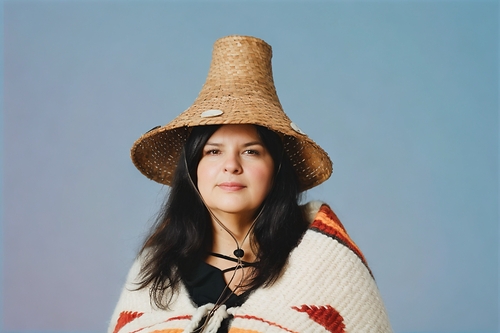
"Too often, conversations about the future of Indigenous–Crown relations become focused on symbols rather than solutions," said Chief Shana Thomas, member of the First Nations Summit Political Executive who was present and spoke at the FNFMM meeting. "First Nations leaders came to the First Ministers Meeting with clear priorities: implementation of rights and title, respect for our governments and laws, shared decision-making, and meaningful participation in the economies built upon our lands and resources."
The FNS Political Executive noted that many First Nations leaders expressed concern that public attention following the meeting became focused on calls to abolish the Indian Act. While the Indian Act remains one of the most harmful colonial statutes imposed upon First Nations, the discussion must not obscure the deeper work required to restore First Nations governance and jurisdiction.
"In British Columbia, we already have examples of pathways that take us beyond the Indian Act, such as the BC treaty negotiations framework," said Chief Thomas. "For First Nations that choose that path, modern treaties and self-government agreements create opportunities to exercise jurisdiction and move beyond colonial and outdated Indian Act administration. The real question is not simply what we are leaving behind, but what First Nations are moving toward."
The FNS Political Executive stressed that ending colonial control requires much more than legislative change. It requires governments to fully implement constitutionally protected rights, recognize First Nations governments as decision-makers, and ensure First Nations share in the benefits generated from their lands and territories.
At the FNFMM meeting, First Nations leaders also highlighted the direct connection between self-determination and healthier communities and expressed that issues such as housing, health, infrastructure, child and family well-being, public safety, and economic development cannot be separated from questions of land, governance, and jurisdiction.
"Strong communities begin with people," Chief Thomas stated. "They begin with identity, belonging, family, culture, and the certainty that future generations will remain connected to their Nations. First Nations have been rebuilding those foundations through the revitalization of our laws, legal traditions, governance systems, and cultures. Governments must decide whether they will support that work or continue standing in its way." The First Nations Summit Political Executive is urging Canada and provincial governments to focus on concrete actions that advance reconciliation, implement First Nations rights and title, remove barriers to Nation rebuilding, and support First Nations-led solutions.
"In the end, strong First Nations mean a stronger Canada," concluded Chief Thomas.
The First Nations Summit speaks on behalf of First Nations involved in treaty negotiations in British Columbia. The Summit is also an NGO in Special Consultative Status with the Economic and Social Council of the United Nations. Further background information on the Summit may be found at www.fns.bc.ca.
SOURCE First Nations Summit

For additional information please contact: Chief Shana Thomas, FNS Political Executive, 250-618-6905
Share this article